
Location
723 Fitzwatertown Road Willow Grove, PA 19090
See Dr. Goldberg’s profile on Healthgrades.
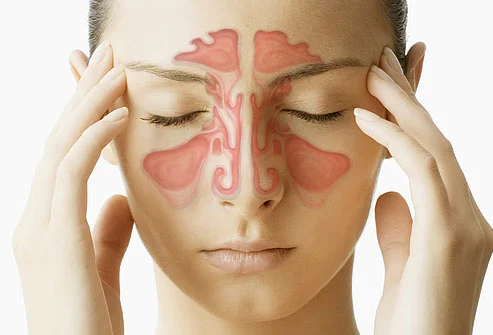
One-sided sinus pressure with tooth pain can feel like a weird coincidence. Your cheek hurts, a few upper teeth ache, and you can’t tell if you’re getting sick or if something’s wrong with a tooth.
Here’s the tricky part: the maxillary sinuses (in your cheek area) sit very close to the roots of the upper back teeth. When the sinus lining swells or mucus gets trapped, it can feel like a toothache.
This post covers likely causes, how to tell sinus pain from dental pain, and when to get checked.
Pain doesn’t always come from where you feel it. With sinus pressure and tooth pain, the culprit is often referred pain, when irritated tissue sends signals through shared nerves and your brain “mislabels” the source.
The maxillary sinus sits above the upper molars and premolars. In some people, tooth roots sit extremely close to the sinus floor. When the sinus is inflamed, that swelling and pressure can irritate nearby nerve branches (the same network that serves the upper teeth). The result is a dull, heavy ache that feels dental, even when the teeth are fine.
It can be one-sided if only one sinus is blocked or inflamed, which is common with uneven congestion. Many people notice it doesn’t feel like one tooth, it feels like several upper back teeth on the same side are sore.
The usual triggers are simple:
Most acute sinus infections improve in 7 to 10 days and don’t always need antibiotics, since many start as viral.
Patterns matter. Use these at-home clues to decide what’s more likely.
More likely sinus pressure
More likely a tooth problem
Yes. An infection in an upper tooth can sometimes spread into the nearby maxillary sinus (often called odontogenic sinusitis). That can cause one-sided congestion, facial pressure, and foul drainage.
Don’t assume it’s “just sinus” if one tooth is clearly the problem, or if you notice gum swelling, pus, or a persistent bad taste.
Start with the provider that best matches your symptoms.
Choose a dentist first if it feels like one tooth, chewing hurts, you see gum swelling, or you don’t have cold or allergy symptoms. A dental exam and X-ray can spot cavities, cracks, or an abscess.
Choose primary care or urgent care if sinus symptoms are strong (congestion, facial pressure, thick discharge), or if a dentist rules out teeth. They may do an exam and, if symptoms keep going, consider imaging or referral.
Get checked if symptoms:
Seek urgent care (or emergency care) for:
If these happen, don’t wait.
One-sided sinus pressure can feel exactly like tooth pain because the maxillary sinus and upper teeth share nerve pathways. Still, a true dental problem won’t resolve without dental treatment, even if it “feels like sinus.”
Use the symptom clues above, watch the timeline, and don’t ignore red flags. If you’re unsure, start with a dentist, then follow up with a doctor if sinus symptoms are driving it.